Recovery in action: what progress looks like on Tiptree ward
Recovery does not always happen in remarkable or straightforward steps.
For someone who has spent a long period in hospital, progress might begin with attending an activity, leaving the ward, trying something new or taking on a little more responsibility.
Over time, these small steps can become meaningful changes in confidence, independence, physical health and quality of life.
At Tiptree ward in Essex, rehabilitation focuses on helping patients identify what matters to them, develop the skills they need and gradually put those skills into practice.
Two patients' experiences show what this can look like.
From participant to HEALS Ambassador
When James* first began working with the Sport & Exercise team in Essex, he was reluctant to take part and sceptical about exercise.
Rather than expecting immediate change, the team focused on building trust and finding an approach that worked for him.
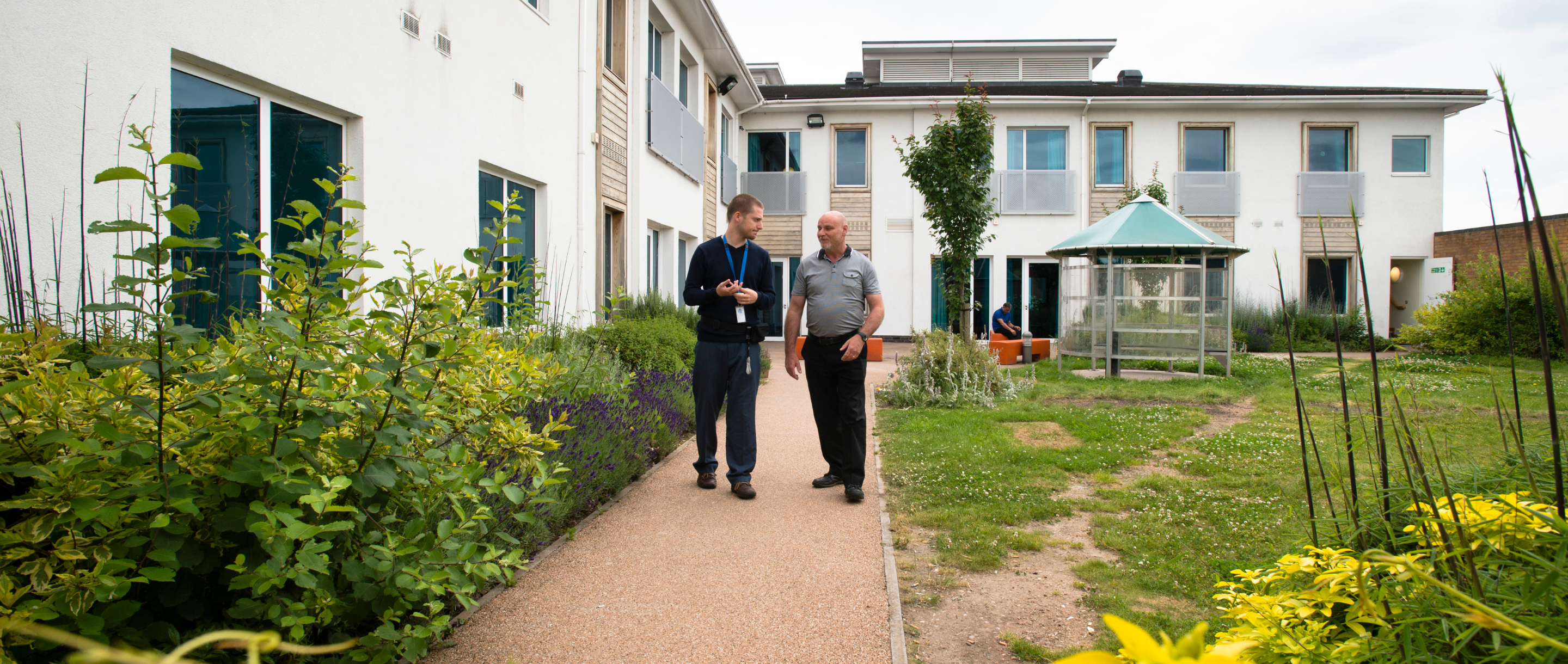
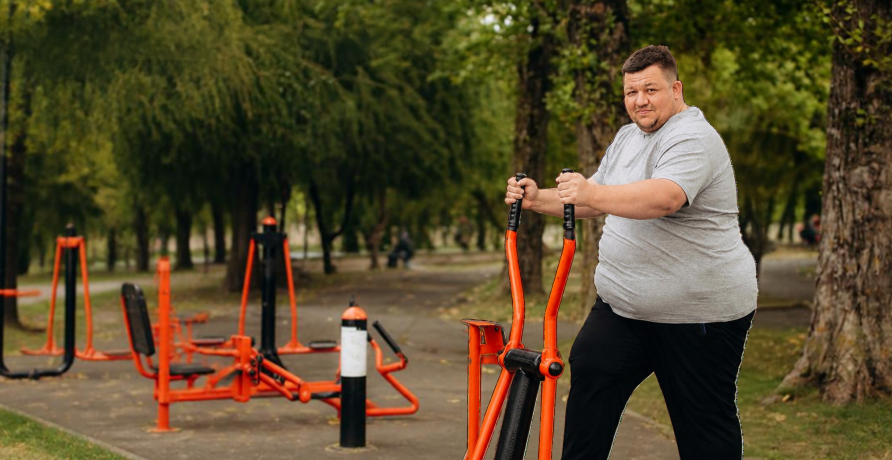
Progress began with simple, manageable activities. Short stretching sessions developed into walking laps of the courtyard, before James gradually began using the cardio suite and increasing his activity.
“At first, I wasn't sure about getting involved with exercise. Starting small helped me build my confidence, and over time I realised I could do more than I thought.”
Tailored around his physical health and knee problems, the approach allowed for James's strength, mobility and confidence to develop progressively.
Over time, the changes became significant.
James has remained engaged with Sport & Exercise for more than two years. His mobility has improved, his knee pain has reduced, and his physical health has benefited.
He has also become a HEALS (Healthy Eating and Life Support) Ambassador, using his own experience to encourage others and contribute to the service.
“Becoming a HEALS Ambassador has given me the chance to use my own experience to encourage other people. It's rewarding to see how far I've come and to be able to help others.”
His journey shows how rehabilitation can develop from simply taking part to building confidence, responsibility and a sense of purpose.
Overcoming anxiety, one step at a time
For another patient, Theo*, the challenge was very different.
Severe anxiety and sensory difficulties had made accessing the community extremely difficult. Everyday activities such as visiting a shop, travelling independently or attending appointments could feel overwhelming.
Rather than expecting immediate independence, the team worked with Theo to understand his sensory needs and develop strategies to manage distress.
Occupational Therapy then used carefully graded activities to help him practise these strategies in increasingly challenging situations.
“Going out into the community used to feel overwhelming. Taking things one step at a time helped me build my confidence.”
Supported walks around the hospital grounds developed into visits into the local community. Over time, Theo became more confident shopping independently and travelling with less support.
He also began attending appointments away from the hospital, including a dental appointment, and became more willing to try new experiences.
“For the first time in many years, I started to believe that I could live successfully outside hospital.”
Progress is built through experience
James and Theo's journeys are very different, but they demonstrate the same principle:
People develop confidence by having opportunities to experience success.
Rehabilitation provides those opportunities in a structured and supportive environment.
It does not happen only in therapy sessions. It happens through everyday life – exercising, preparing food, managing routines, accessing the community, attending appointments, developing healthier habits or taking on meaningful responsibilities.
The wider multidisciplinary team supports this progress, with Occupational Therapy, Sport & Exercise, Physical Health, Psychology, Nursing, Social Work and medical colleagues contributing their expertise.
At Tiptree, the team also looks beyond clinical symptoms to understand changes in participation, functioning, motivation and independence. This helps build a clearer picture of what each person can do, what support they need and what they may be ready to do next.
Supporting the next step
The purpose of rehabilitation is not simply to improve someone's experience of hospital. It is to help them build the foundations for what comes next.
As Dr Sam Dove, Consultant Psychiatrist at St Andrew's Healthcare, explains:
“The main focus for those getting out of hospital is to make sure they're not coming back into hospital because quite a few have been revolving door patients.”
Read Dr Dove's full article, click here.
For people moving towards community living, rehabilitation can provide opportunities to develop skills, build confidence and demonstrate increasing independence. For those coming from secure services, it can also provide a structured environment in which risk can be progressively tested.
Recovery looks different for everyone
There is no single definition of successful rehabilitation.
For one person, it might mean returning to the community independently. For another, it could be travelling with greater confidence, managing a routine or attending an appointment. For someone else, it might mean taking on a meaningful role and using their experience to support others.
What matters is that goals are meaningful to the individual and that progress is achievable and sustainable.
James and Theo's experiences show how small steps can become significant progress, creating new possibilities for life beyond hospital.
At Tiptree, that is the purpose of rehabilitation: helping each person build the skills, confidence and independence they need for their next step.
Make a referral:
Call us: 0808 258 4261
Email: sah.admissions@nhs.net
*Patient names have been changed to protect anonymity.